
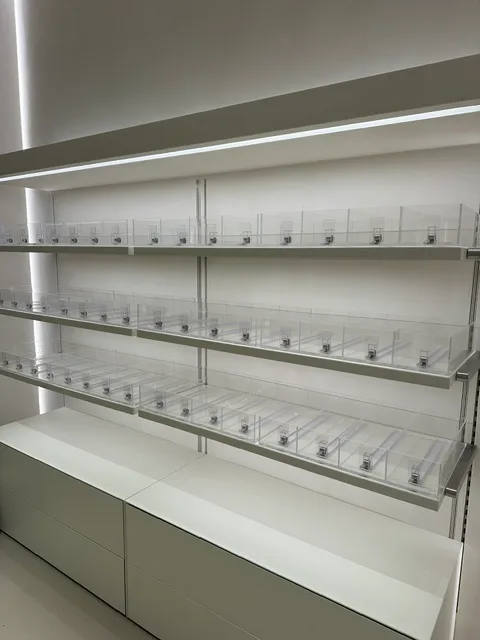
Cost · For: office and retail tenants negotiating a lease
What a TI allowance is, what your lease decides about it, and how to make sure it covers the build-out you actually need.
Quick answer
A tenant improvement (TI) allowance is money a landlord contributes toward building out your space. Your lease sets the amount, what it can pay for, and how it is paid. Because build-out costs change and every space differs, compare the allowance with a written, line-item estimate for your layout before you sign.
Key takeaways
- The lease sets the amount, the eligible costs, and how the allowance is paid.
- The work letter defines what the landlord delivers before your work starts.
- Allowances often do not cover the whole build-out, so plan for the gap.
- Get a line-item estimate before you sign, not after.
- Building rules and permits affect both cost and schedule.

What is a tenant improvement allowance?
A tenant improvement (TI) allowance is money a landlord contributes toward building out a tenant’s space. It is negotiated as part of the lease, along with rent, term, and free rent. Two leases with the same allowance can be worth very different amounts, depending on what the money can be used for and what the landlord delivers first.
What your lease decides
| Lease term | Why it matters |
|---|---|
| The amount | Usually stated per square foot or as a total. |
| Eligible costs | Construction only, or also design fees, permits, cabling, and furniture. |
| How it is paid | Paid to you after work is done, paid directly to the contractor, or the landlord builds the space. |
| The work letter | What the landlord delivers before your work starts, such as a white box. |
| Deadlines | When the allowance must be used before it expires. |
Will the allowance cover your build-out?
Often not on its own. Your real cost depends on the condition of the space, the electrical and mechanical scope, layout changes, millwork, finishes, and building rules. The only way to know your gap is to price your actual layout. See what drives build-out costs.
Want to know your real gap?
We price your space line by line, so you can compare it with the allowance before you sign.
What to check before you sign
- Ask what the landlord delivers and get the work letter in writing.
- Confirm which costs the allowance can pay for.
- Get a written, line-item estimate for your layout and finishes.
- Ask about building rules, including after-hours work, which needs a DOB After Hours Variance.
- Find out which parts of the work need a DOB permit, since filings add time.
TI allowance FAQ
What is a TI allowance?
Money a landlord contributes toward building out a tenant’s space, set in the lease.
Does a TI allowance cover the whole build-out?
Often not. Compare it with a line-item estimate for your layout before you sign.
Can the allowance pay for furniture or design fees?
That depends on your lease, which defines which costs the allowance can be used for.
When should I get a construction estimate?
Before you sign, so you can negotiate from your real scope instead of a guess.
How we put this article together
This article explains how TI allowances generally work and links to NYC Department of Buildings rules, checked October 28, 2026. It intentionally contains no cost figures, because costs change and every lease differs. It is not legal advice; your lease controls. The draft was prepared with AI assistance and checked against the cited sources. Sanjay D. reviews each article before publication.
Sources
- NYC DOB — After Hours Variances — after-hours work
- NYC DOB — Do I need a permit? — work that needs a permit
Related

Free site walk & estimate
Negotiating a lease? Get your real scope priced first.
Call for a quote, or request a free site walk and a written, line-item estimate.